
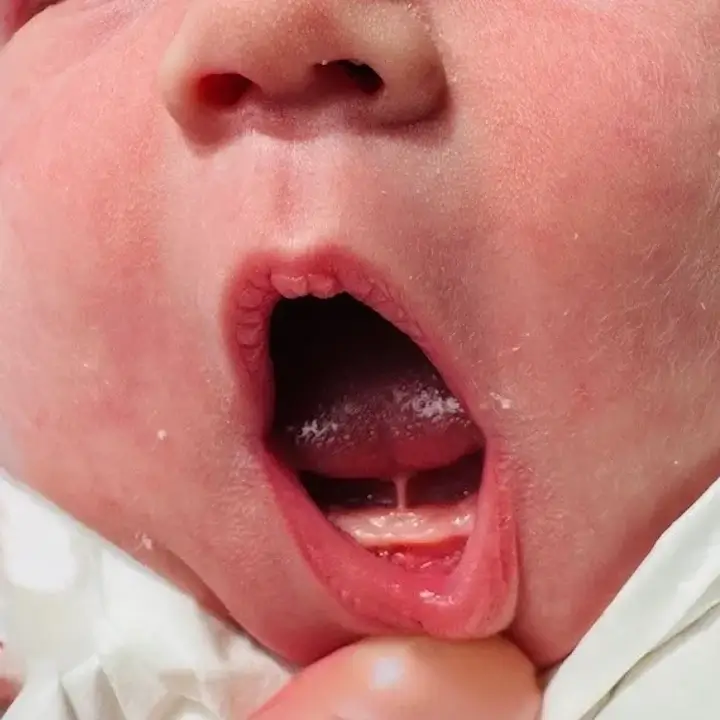
What is Tongue-Tie
Tongue-tie (also known as ankyloglossia) is a common condition that can make feeding more challenging for newborns. While it’s often simple to treat, many parents feel overwhelmed when trying to understand symptoms, what to look for, and how to access support.
This guide explains what tongue-tie is, how it affects breastfeeding, the signs to look for, and why receiving care from a qualified private midwife experienced in tongue-tie assessment and frenotomy can provide reassurance and effective solutions.
How a Tongue-Tie Affects Feeding
Babies with tongue-tie may struggle with:
- Maintaining a deep latch
- Staying on the breast
- Effective milk transfer
- Restless or prolonged feeds
- Sucking efficiently
This can cause feeding discomfort for the mother and frustration for the baby, but with early support, many of these challenges can be improved.
Common Symptoms of Tongue-Tie
Symptoms in Baby
- Difficulty latching or staying latched
- Clicking noises during feeds
- Slow weight gain
- Frequent feeding yet seeming unsatisfied
- Colic-like symptoms due to air swallowing
- Milk leaking from the corners of the mouth
- Fatigue during feeds
Symptoms in Mum
- Sore or damaged nipples
- Painful breastfeeding
- Mastitis or blocked ducts from ineffective feeding
- Feeling baby is constantly feeding or "cluster feeding" excessively
- Low milk supply due to suboptimal milk removal
These symptoms don’t always mean a tongue-tie is present, which is why professional assessment is important.
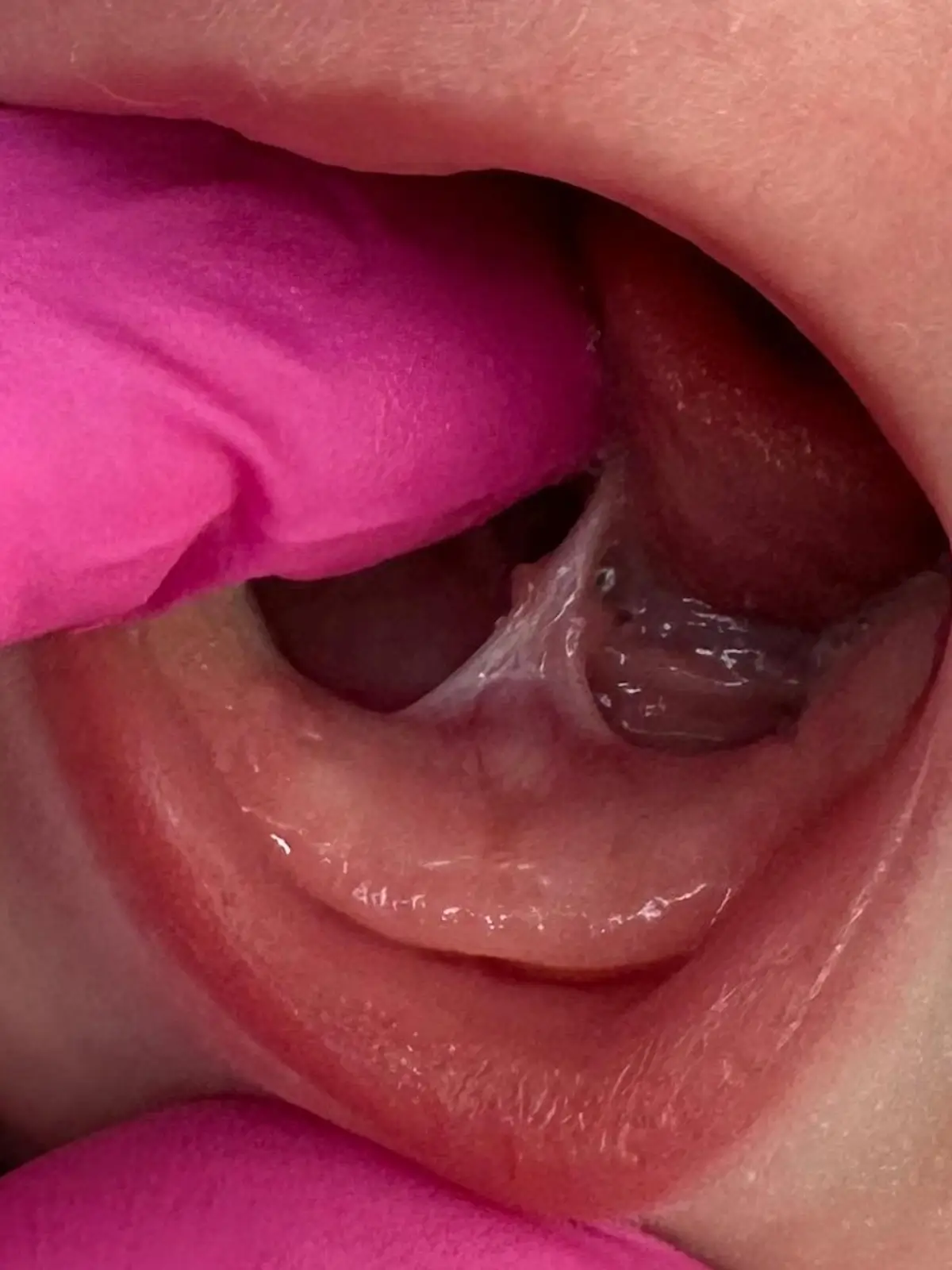
Why Professional Tongue-Tie Support Matters
A proper feeding and tongue-tie assessment is essential because not all feeding issues are caused by tongue-tie, and not all tongue-ties require treatment. A trained private midwife can evaluate feeding, observe latch and infant behaviour, and discuss suitable options.
Benefits of Private Midwife Care for Tongue-Tie Support
Personalised Assessment and Education
A private midwife offers dedicated time to:
- Examine baby's tongue mobility
- Assess latch and feeding technique
- Observe feeding to understand what's happening in real time
- Explain whether a tongue-tie may be contributing to problems
This one-to-one support ensures parents feel informed, confident, and involved in the decision-making process.
Continuity of Care
Unlike hospital based services, private midwives provide ongoing support throughout pregnancy, birth, and the postnatal period – meaning they know your baby’s history and feeding journey.
Qualified Frenotomy Services
Many private midwives hold additional specialist training and certification enabling them to perform tongue-tie divisions (frenotomies). When done by an appropriately qualified provider, a frenotomy is typically a quick procedure.
Individual Feeding Support Before and After
Private midwives assist with:
- Pre-division feeding plans
- Post-division latch optimisation
- Baby comfort and after care
- Monitoring feeding progress and recovery
This holistic support helps improve outcomes and reduce stress.

What Is a Frenotomy?
A frenotomy is a simple, quick procedure where the restrictive frenulum is safely divided to free the tongue’s movement. It is only carried out when clinically indicated and after assessment by a trained professional.
Benefits of Frenotomy May Include:
- Improved latch
- More efficient milk transfer
- Reduced maternal nipple pain
- Shorter, calmer feeds
- Better weight gain
- Less gassiness or discomfort for baby
- Increased feeding confidence for mum
Not every baby needs a frenotomy, but for those who do, the benefits can be noticeable and often immediate.

Tips for New Mums Navigating Possible Tongue-Tie
Seek Help Early
The sooner you receive a feeding assessment, the sooner you can identify the cause of feeding issues – whether or not it’s tongue-tie.
Don’t Self-Diagnose
Many symptoms overlap with typical newborn behaviour. Always consult a trained provider.
Focus on Positioning and Latch
Even when tongue-tie is present, improving latch can significantly help.
Ask Questions and Get Clear Explanations
A good midwife will ensure you understand:
- What they see
- Your options
- What a frenotomy involves
- Expected outcomes
- Aftercare support
Trust Your Instincts
If something feels “off” during feeding, it’s okay to seek a second opinion.
Frequently Asked Questions
What is tongue-tie in a newborn?
Tongue-tie (ankyloglossia) is when the strip of tissue under a baby’s tongue (the frenulum) is tighter or shorter than usual, restricting movement. This can affect feeding, latch, and comfort. A trained healthcare professional can assess whether a tongue-tie is present and whether treatment is recommended.
How do I know if my baby might have a tongue-tie?
Signs can include difficulty latching, clicking sounds during feeds, prolonged or very frequent feeding, slow weight gain, milk leaking from the mouth, or baby tiring quickly during feeds. Mothers may also experience nipple pain or recurrent blocked ducts. Because these symptoms can have many causes, a professional feeding and tongue assessment is essential.
Can tongue-tie affect breastfeeding?
Yes. A restricted tongue can make it harder for a baby to create a deep, comfortable latch or to transfer milk effectively. This can lead to discomfort for mum and fussiness or frustration for baby. With the right support, many of these challenges can be improved.
Who should assess my baby for a tongue-tie?
A trained and qualified healthcare professional – such as a midwife, lactation consultant, paediatric doctor, or specialist tongue-tie practitioner should carry out a full oral and feeding assessment. They can determine whether a tongue-tie is present and whether treatment may be helpful.
What is a frenotomy?
A frenotomy is a simple procedure that divides the restrictive frenulum to improve tongue movement. It should only be performed by appropriately trained and certified healthcare providers after a full assessment and discussion with parents.
How can a private midwife help with tongue-tie?
Private midwives often provide extended one-to-one time, feeding assessments, latch support, and education. Some private midwives have additional qualifications enabling them to perform frenotomies. They also offer continuity of care before and after the procedure to support feeding improvements.
What are the benefits of a frenotomy?
Parents often report improved latch, more efficient milk transfer, reduced nipple pain, shorter feeding times, and a calmer feeding experience. Benefits vary depending on the baby’s individual situation and should be discussed with a qualified provider.
Is tongue-tie always the cause of feeding problems?
No. Feeding difficulties can have many causes, including position, latch, birth factors, or normal newborn adaptation. A full assessment is important to understand the underlying issue and recommend the right support.
Does tongue-tie fix itself?
Some mild tongue restrictions cause no functional issues and improve as a baby grows. Others may continue to affect feeding unless treated. A trained professional can help determine the best approach for your baby.
When should I seek help for tongue-tie?
Seek support if breastfeeding is painful, feeds feel unusually difficult, your baby struggles to latch or stay latched, or you’re worried about weight gain. Early guidance can improve feeding and reduce stress for both mum and baby.
Final Thoughts
Tongue-tie can be challenging for new families, but with timely support, most feeding difficulties can be significantly improved. A qualified private midwife offers personalised assessment, skilled breastfeeding guidance, and (where appropriately trained and certified) frenotomy services that can make a meaningful difference to both baby and mum.
If you’re concerned about feeding or suspect a tongue-tie, seeking early professional support is one of the most effective steps you can take.